EXPERIENCE LAB
Overview
As the redesign progressed, it became clear that ONMO needed a reliable way to validate decisions and learn continuously, not just at launch, but as the product evolved.
I set up ONMO Lab as the company's first in-house research and insight capability: a lightweight but repeatable way to observe real behaviour, challenge assumptions, and ground product decisions in evidence rather than opinion.
Turning insight into impact
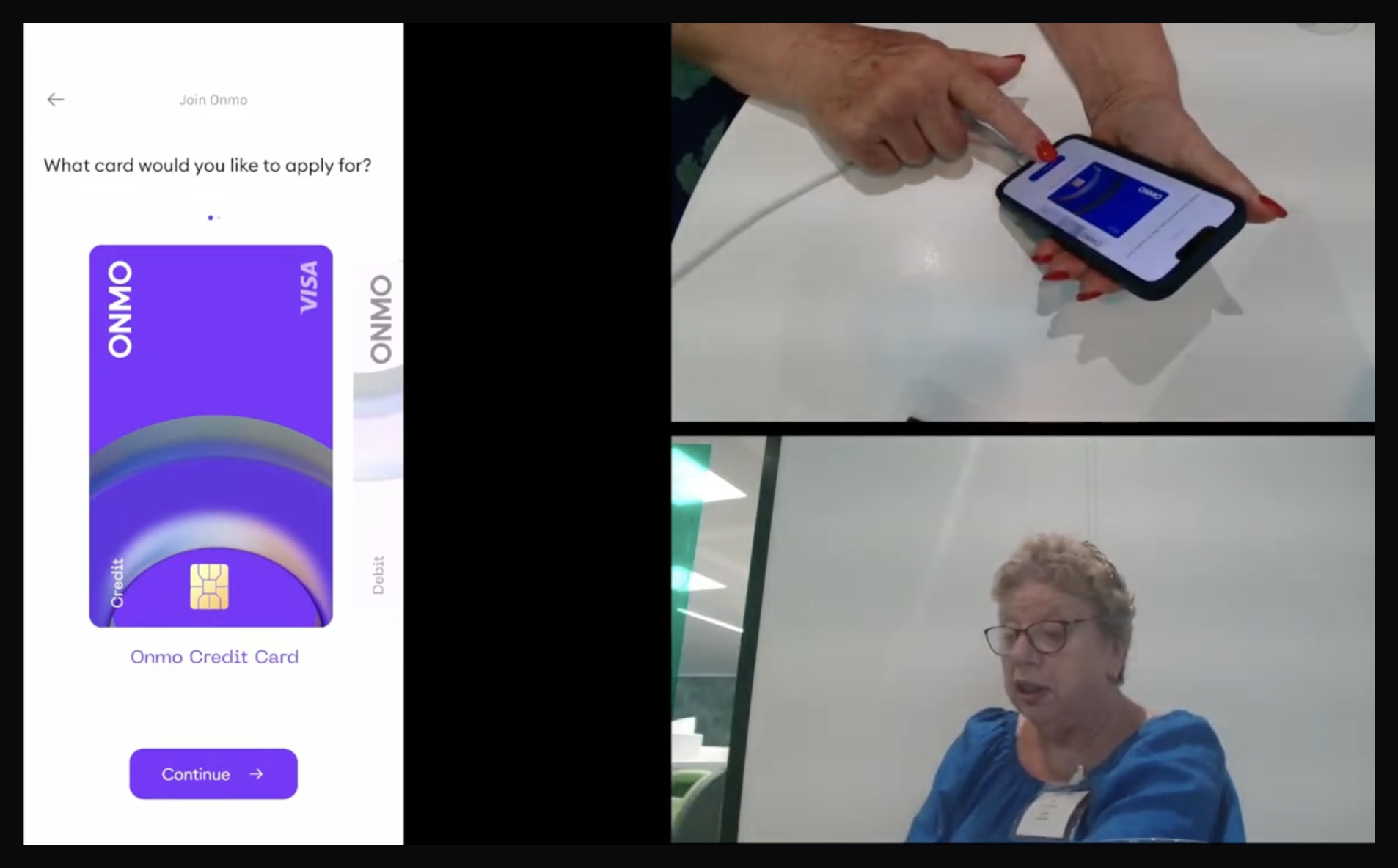
We prototyped and tested all key journeys using a mix of qualitative and quantitative methods, drawing directly from customer complaints, support tickets, and known friction points. This ensured testing focused on the problems that mattered most to users and the business.
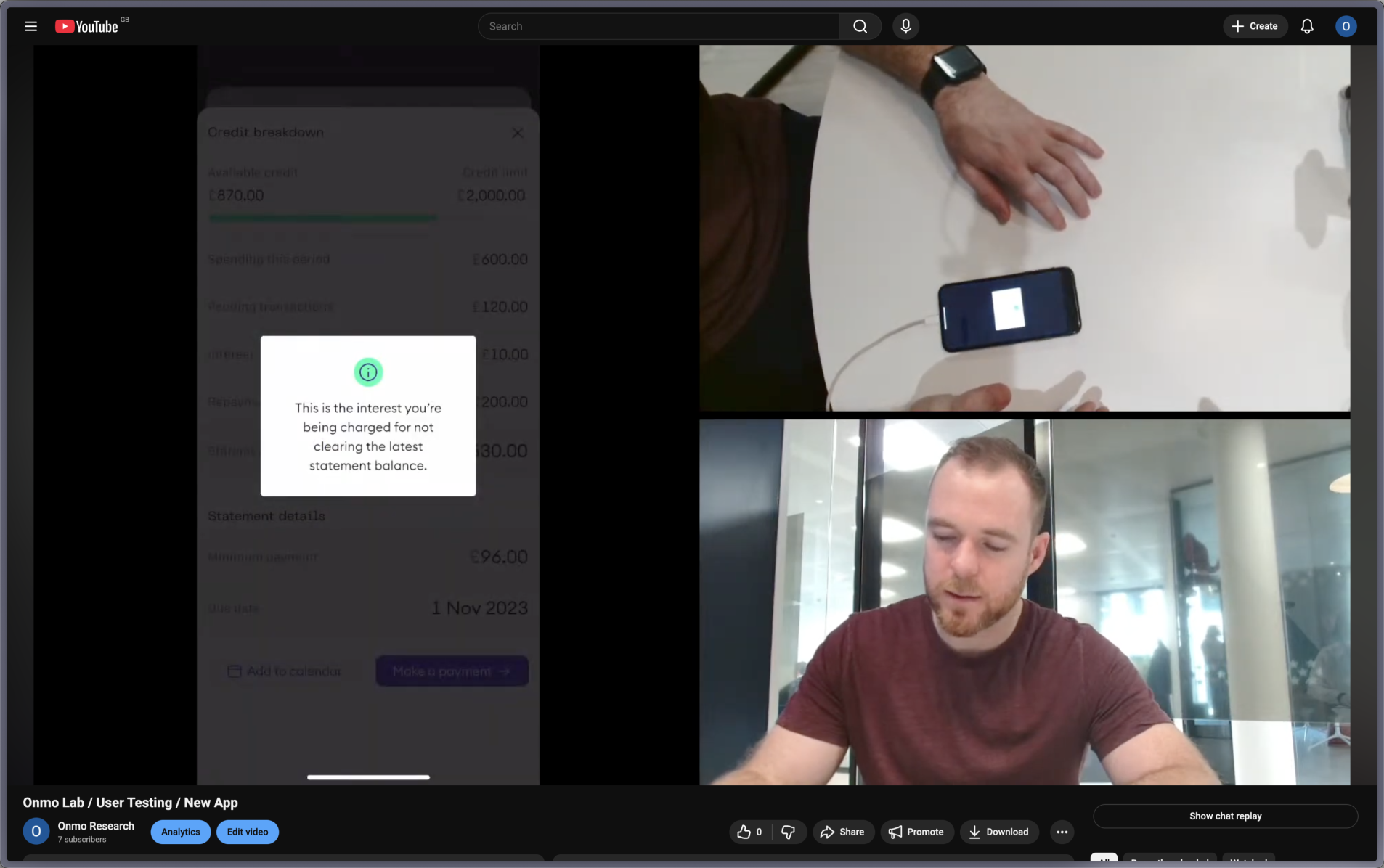
To make research visible and actionable, I designed sessions to be observed live by teams across the company, from engineering and compliance to leadership. Seeing real users struggle, hesitate, or succeed shifted conversations from "I think" to "we saw", accelerating alignment and decision-making.
Over time, this created a shared understanding of user needs and built trust in design as a driver of clarity, not just aesthetics.
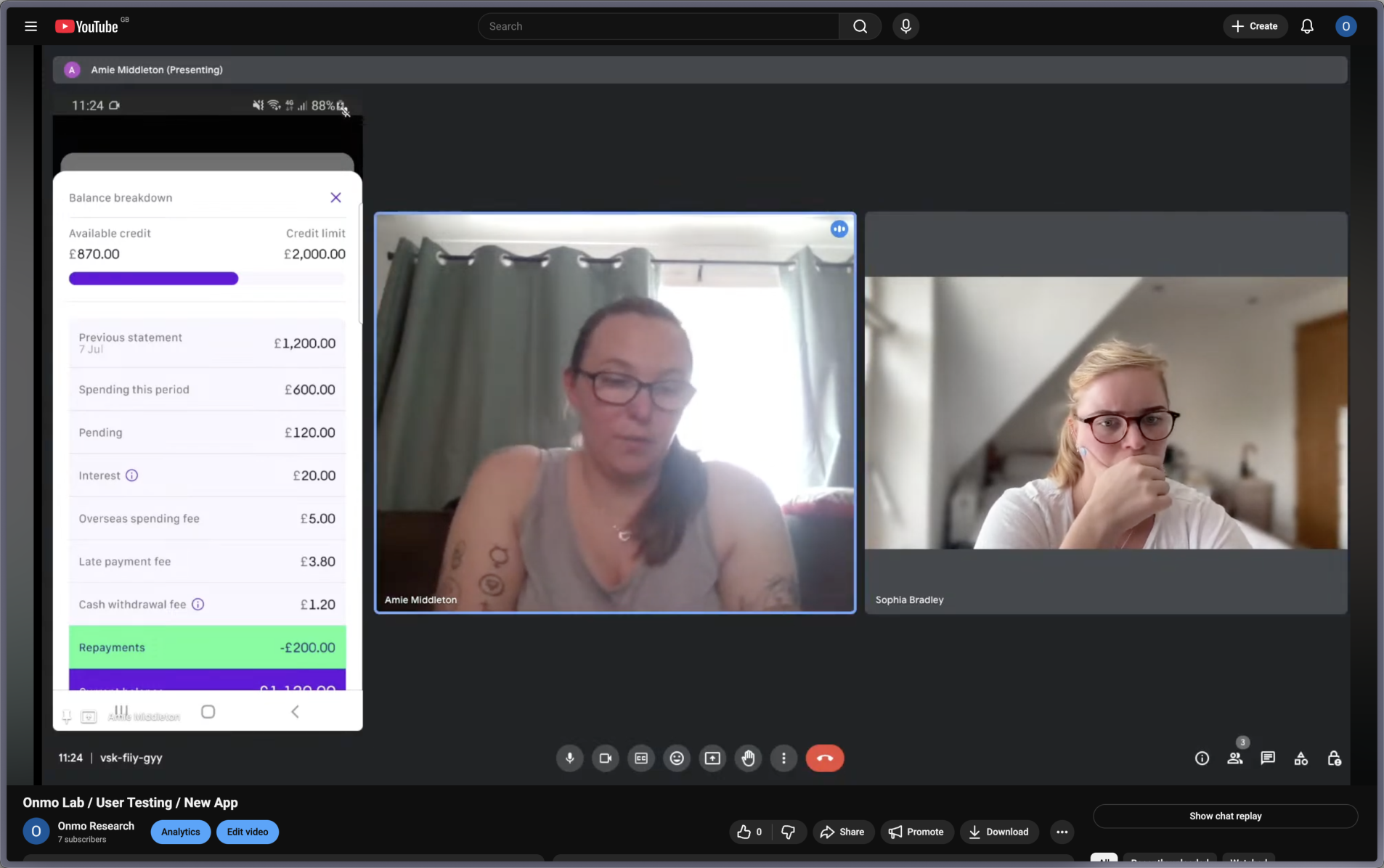
Alongside in-person sessions, I introduced remote testing to reach a broader and more diverse audience, including non-customers who matched our target profiles. This allowed us to pressure-test concepts early and avoid overfitting solutions to existing users.
We established a re-contactable participant pool that enabled fast iteration and ongoing validation, turning research from a one-off activity into a continuous feedback loop.
Knowledge as a shared asset
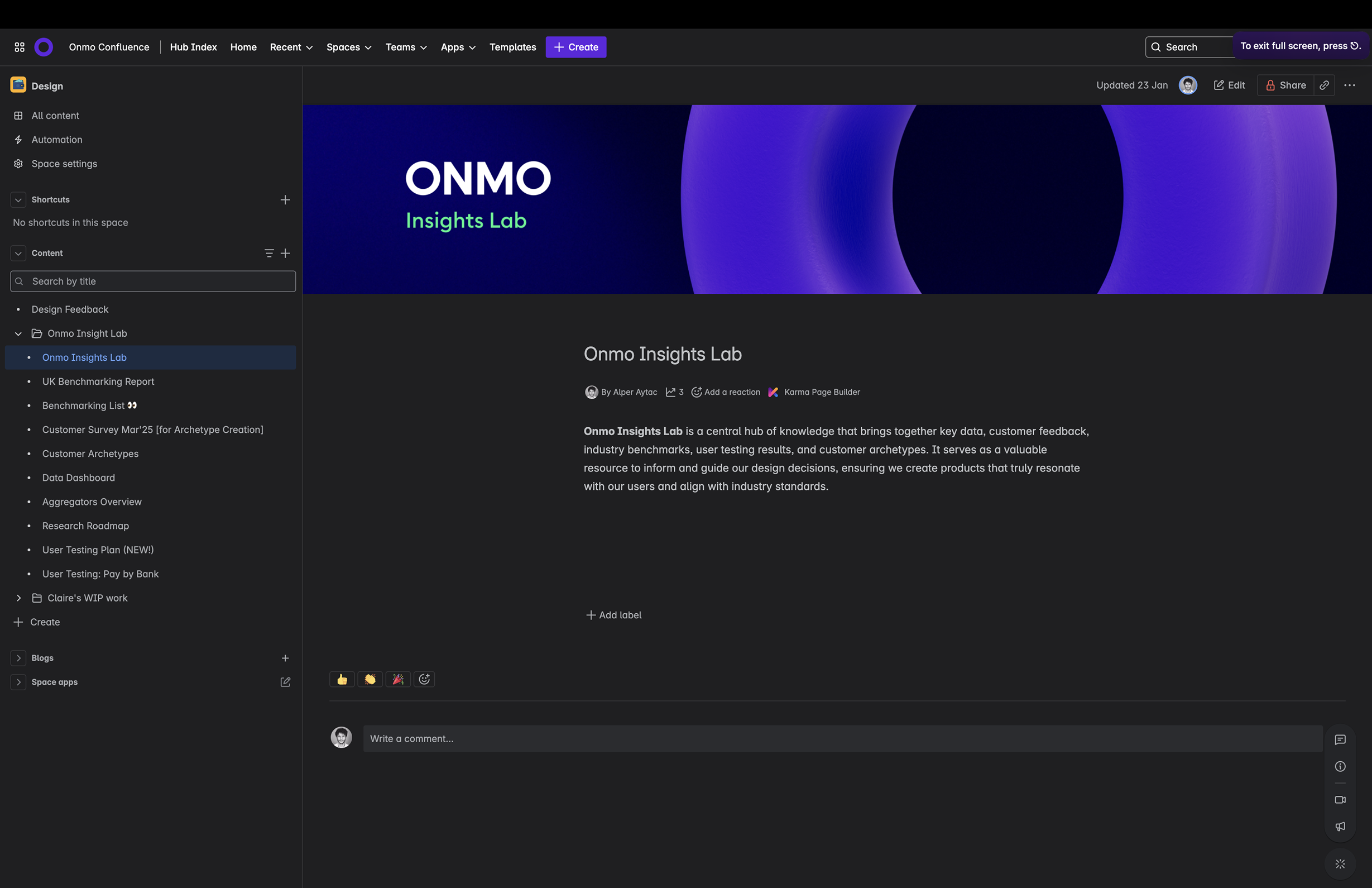
ONMO Lab extended beyond usability testing into a central knowledge hub for the business.
I brought together insights from:
- the UK fintech landscape
- FCA and regulatory updates
- behavioural patterns and emerging trends
This gave teams a shared reference point for decision-making and helped align product and design strategy with where the industry, and regulation, was heading.
UK benchmarking
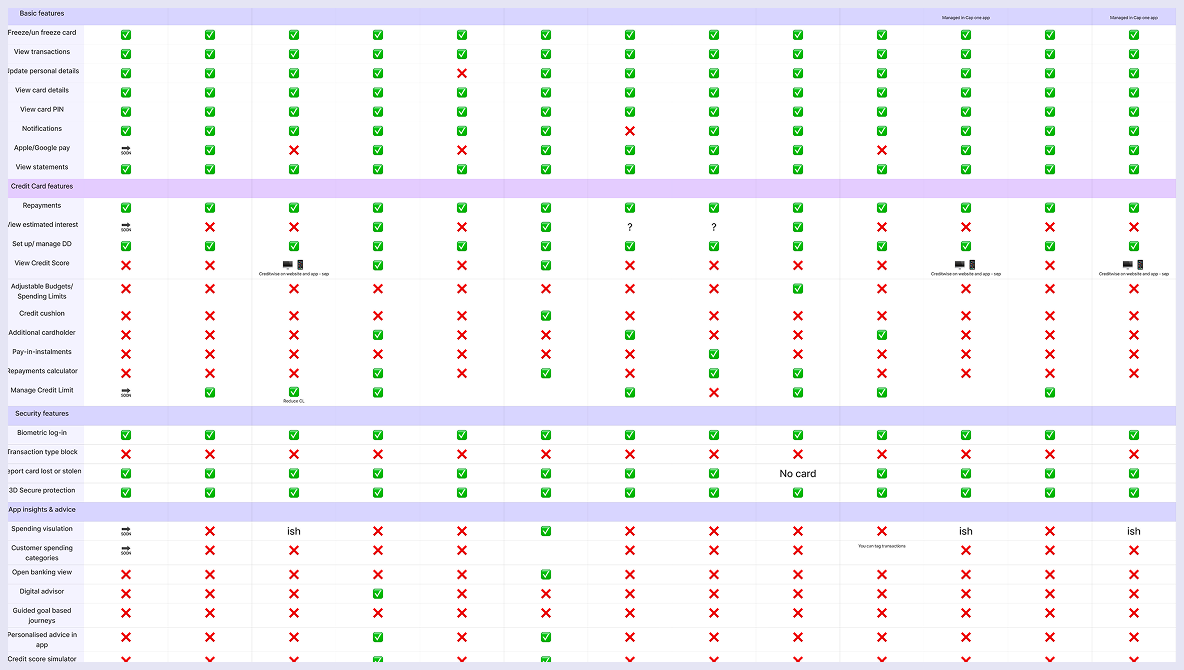
Alongside user research, I led an extended benchmarking study across the UK fintech landscape, analysing product UX, brand systems, tone of voice, and feature sets across both established players and emerging startups. This helped clarify where ONMO could differentiate and gave leadership a clear view of where we were strong, where we lagged, and where strategic focus would matter most.
customer archetypes
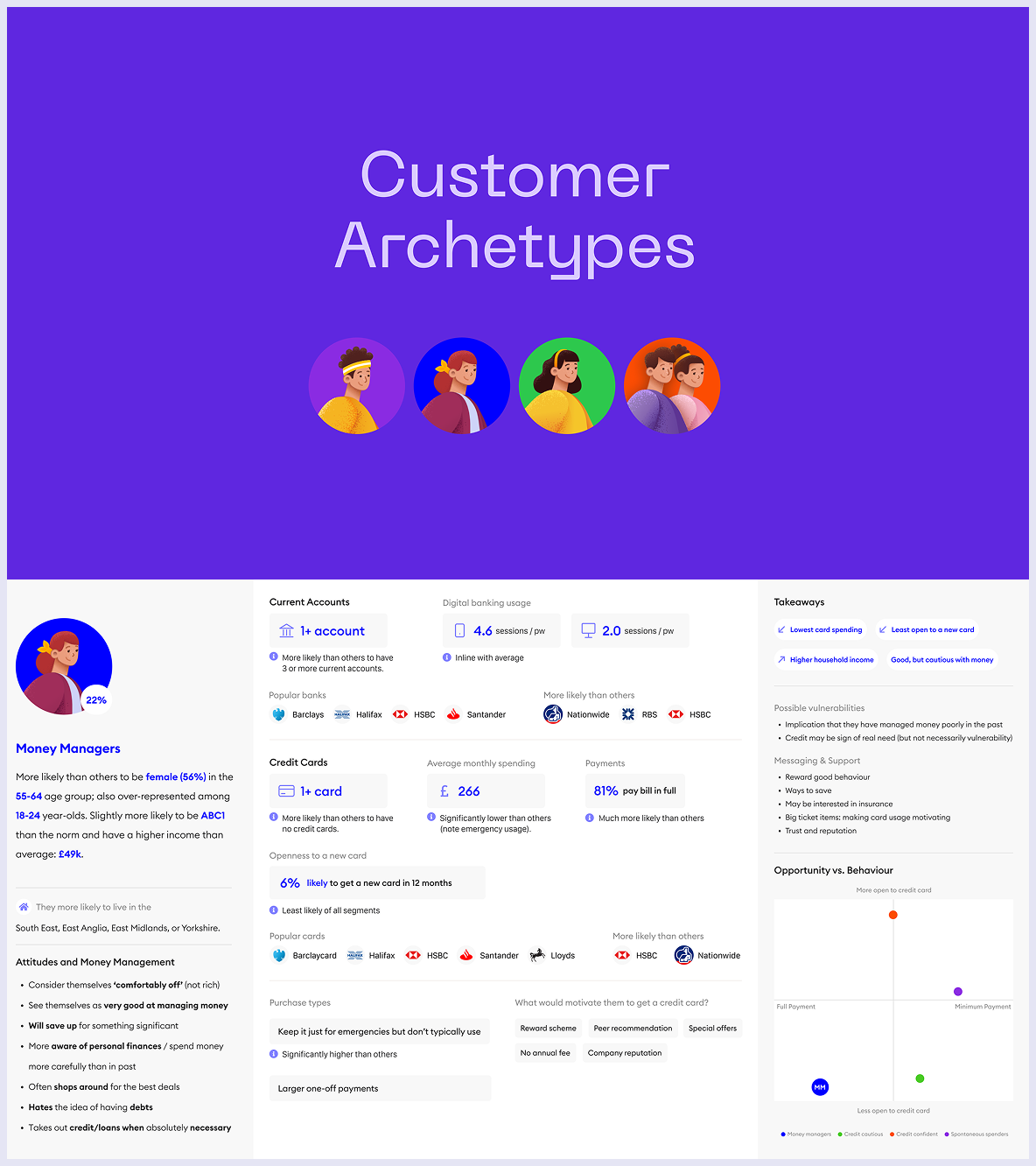
To make insights actionable, I led the creation of a small set of customer archetypes grounded in real data, combining behavioural analytics, customer support transcripts, and qualitative research.
These archetypes helped teams across Product, Design, and Marketing design more intentionally, ensuring journeys and messaging reflected real motivations and constraints rather than abstract personas.
Data-informed design
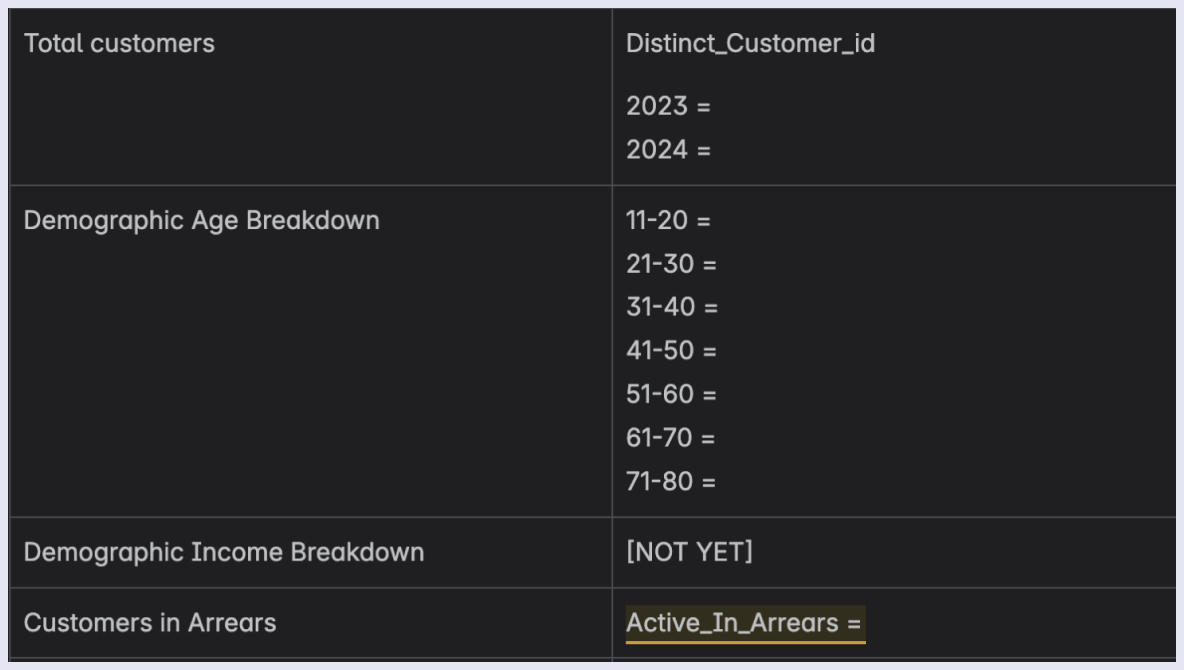
To complement qualitative research, I partnered with the Data team to define a lightweight, design-focused view of behavioural signals, highlighting drop-offs, task completion, and usage patterns across key flows.
The goal wasn't deep analytics, but directional clarity. This pairing of behavioural data with user testing strengthened confidence in design decisions and supported a more evidence-led culture across product and engineering.
outcome
ONMO Lab evolved into more than a testing setup, it became a continuous discovery engine.
It embedded empathy across teams, reduced decision risk, and turned research into a shared responsibility rather than a specialist activity. Most importantly, it gave ONMO a scalable framework for learning, iterating, and improving as the product and business grew.